
When summer arrives in Monmouth County, Freehold residents know how quickly humidity levels can spike. High humidity does not just cause discomfort; it can also increase energy usage and strain your HVAC system. Understanding how whole-home dehumidification affects comfort, air quality, and energy bills is essential for homeowners who want an efficient, healthy indoor environment through the hottest months of the year.
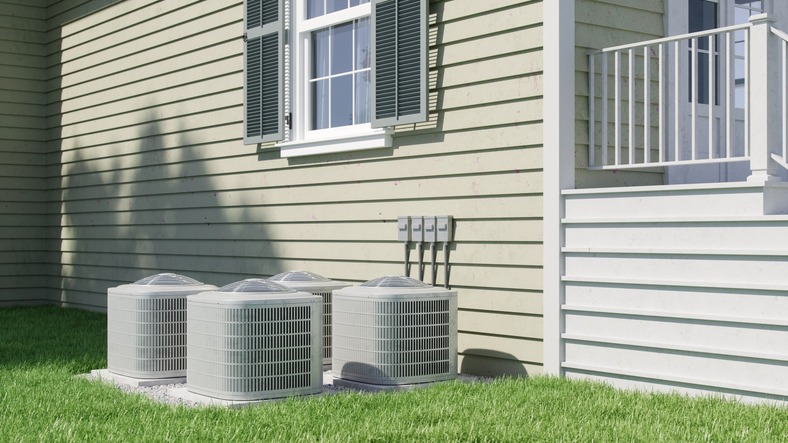
The Impact of Humidity on Home Comfort and Energy Use
Humidity makes warm air feel hotter—meaning your air conditioner has to work harder to keep your home comfortable. When indoor humidity regularly exceeds 50%, you might notice issues such as:
-
Damp or musty odors
-
Condensation on windows
-
Sticky or clammy air
-
Difficulty cooling rooms, despite AC usage
Areas like Freehold are particularly prone to high summer humidity levels. This can drive up demand on air conditioning, resulting in higher energy bills and more frequent maintenance needs.
Warning Signs That Your Home May Need Dehumidification
Ignoring excessive moisture can shorten the lifespan of your HVAC system and create an environment where mold and dust mites thrive. Look for these common warning signs:
-
Persistent dampness in basements or crawl spaces
-
Mold or mildew growth around vents, walls, or windows
-
Warped wood flooring or furniture
-
Consistently high indoor humidity readings on smart thermostats
If one or more of these issues are present in your home, it is time to evaluate whether a whole-home dehumidifier should be added to your system.
Understanding Your Dehumidification Options
A professional technician can help you decide which dehumidification solution is best for your property. In general, you will choose between:
-
Portable room dehumidifiers: Best for small, isolated problem areas, but often not powerful enough for larger homes or open layouts.
-
Whole-home dehumidifiers: Integrated directly into your existing central HVAC system, these units provide seamless moisture control throughout all living spaces with minimal maintenance.
Whole-home options are more cost-effective in the long term and are ideal for consistent climate control, especially in Freehold’s humid climate.
Energy Savings and Health Benefits
A properly sized whole-home dehumidifier can help reduce seasonal energy use in several ways:
-
Lower humidity lets you set the thermostat a few degrees higher without sacrificing comfort, minimizing AC run time.
-
Removing excess moisture prevents biological growth, improving indoor air quality and protecting building materials from moisture damage.
-
A drier home feels cooler, so you are less likely to overuse your AC.
Choosing a high-efficiency HVAC system with integrated dehumidification, such as central air conditioning installation, is a strategic investment for Freehold homes.
What to Ask Before Scheduling Professional HVAC Services
Before deciding on a dehumidification upgrade or new HVAC system, consider these important questions:
-
Is my current air conditioner the correct size for my house?
-
Has my HVAC technician performed a recent inspection or indoor air quality assessment?
-
Would an integrated indoor air purification system further improve comfort and efficiency?
-
What are the installation, maintenance, and operating costs of each option?
Discuss these questions with your service provider. Ask to see case studies or references from other Freehold-area homes with similar needs.
Contact Garden State Air Conditioning and Heat for Dehumidification Solutions
If you are a homeowner in Freehold, NJ, and would like to improve indoor comfort while lowering seasonal energy bills, Garden State Air Conditioning and Heat can help. Call (732) 462-7800 or fill out our online form for an expert consultation tailored to your home’s needs.